Everyone’s talking about which Utah National Park is the best, but no one’s talking about which ones are better in the winter versus the summer. That’s what we’re going to talk about today so you can make the best desicion about when to plan your Utah National Park Trips.
Is Zion National Park Better in the Summer or Winter?
Why not start with the most visited Utah national park?
Zion National Park is wildly popular, and even in the off-season it’s busy. There’s a few key differences when visiting the park in the summer or the winter.
We’ll start with the most obvious, that being the snow. The snow can be very pretty, but it can also make hiking harder and close down some of the most popular hikes. Whether or not the snow will make your trip less enjoyable comes down to personal preference, at the end of the day.
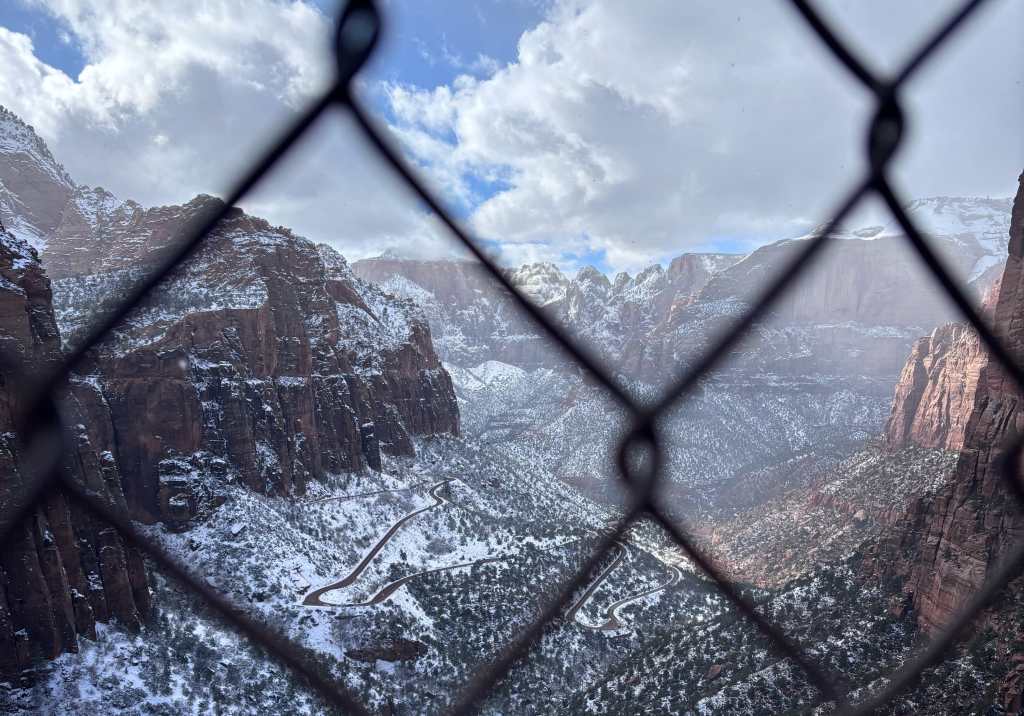
In my opinion, while the snow is very pretty, it covers up a lot of the beautiful colors you get in the gigantic rock walls surrounding you which I think is actually prettier. That’s a personal opinion, though, and you might find the snow to be a lot prettier.
Of course, Zion is much, much, much busier in the summer, but it’s actually still very busy in it’s off season. If you really can’t do crowds, visiting in the winter is going to be your best shot but you’ll still run into a lot of other tourists.
Most of the popular hikes in Zion are along the Zion Canyon Scenic Drive, which is closed off for vehicles other than shuttles in the summer. When the shuttles aren’t running in the winter, you can drive your vehicle up the canyon and park there. That can save money, but on the busier winter days it can be really difficult to find parking. You win some, you lose some.
Is Bryce Canyon better in the Summer or Winter?
Bryce Canyon with the snow is absolutely INCREDIBLE. It’s so pretty with the addition of the sparkling white ontop of all the other colors. I’ve actually only been to Bryce Canyon when there’s been snow, but I can’t imagine it without.
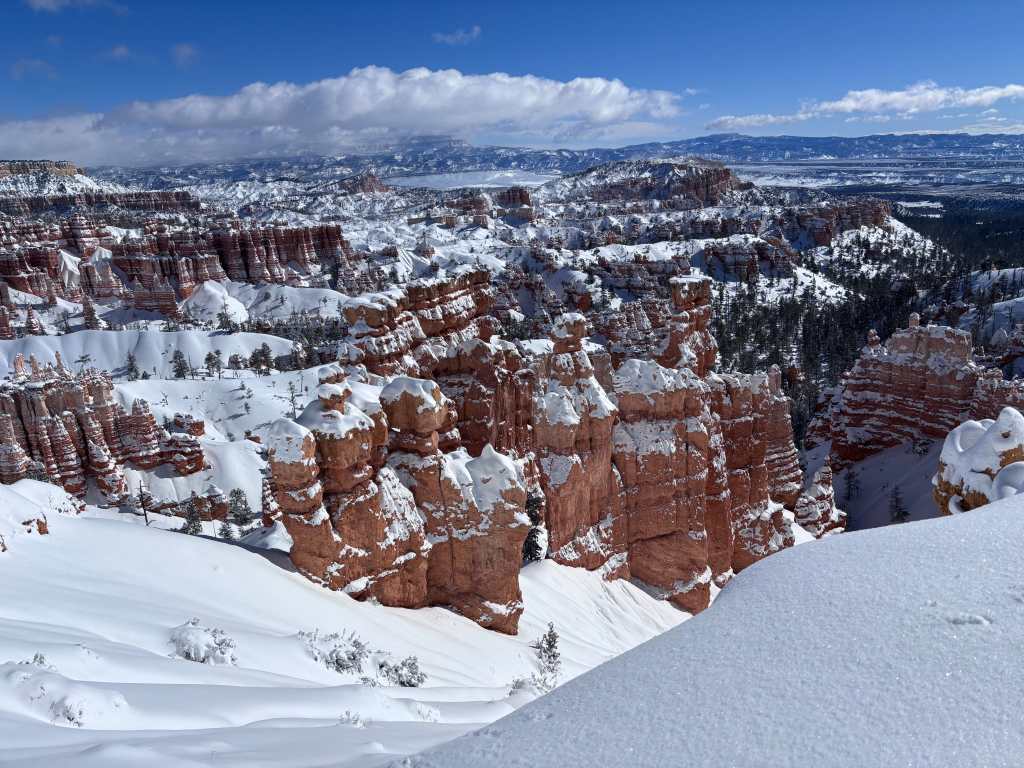
In the summer Bryce Canyon is a great place to hike, explore, and climb around, even though the ampitheatres and canyons can act a little bit like an oven sometimes. The downside is that the park is a lot more busy in the summer.
In the winter, it’s way less busy- there’s no line to get into the park, and hotels are far cheaper in the off season. I would say that Bryce Canyon is just better to visit in the winter, even though it’s still incredible in the summer. The snow adds a special something to the park and it’s incredible.
The only negative part about Bryce Canyon in the winter is that if there’s too much snow, they may close certain hikes, including my favorite hike there, Queen’s garden. Of course, I went on the Queen’s Garden hike in the wintertime, so it will just depend how the winter conditions are when you’re there and whether or not the park decides it’s safe enough to stay open.
All in all, Bryce Canyon National Park is a great place to visit in the summer and the winter, and is my favorite National Park!
Now, let’s talk about Arches:
Is Arches National Park better in the summer or winter?
This one could be hard for some people to answer, but it’s really easy for me. I would rather go to Arches when it’s warm and I’m able to see everything and do all the hikes, even though it is way busier in the summer.
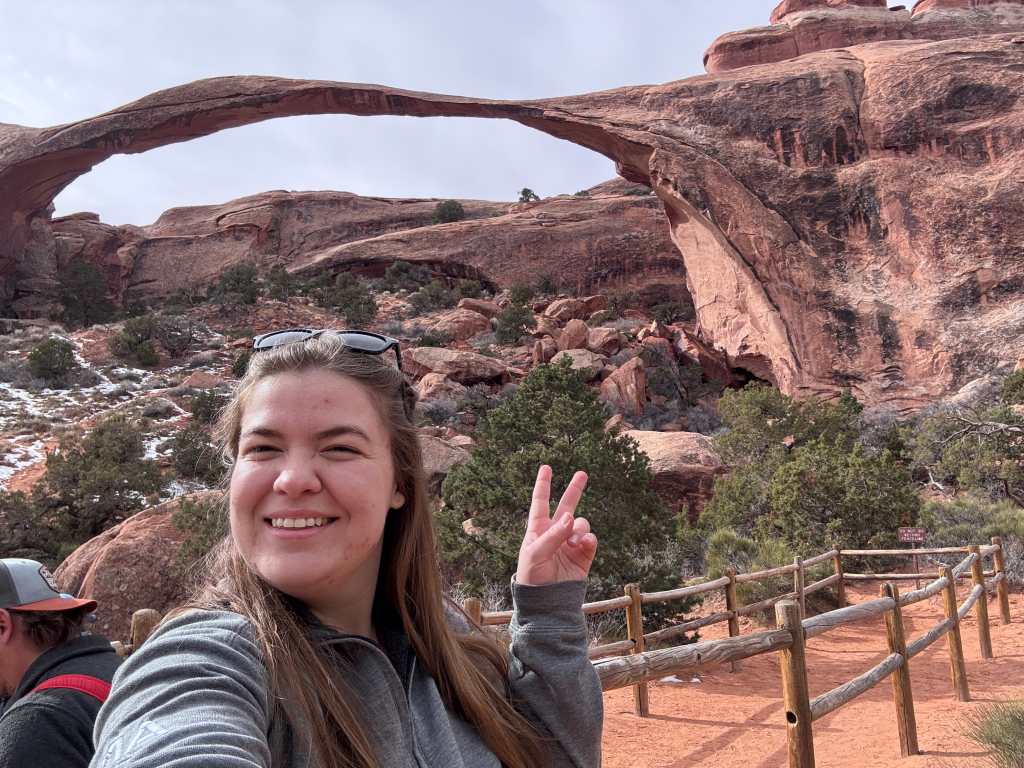
In the winter, you can sometimes be the only people on a certain hike at a time which is really cool, but the wind in the canyons can get really intense. Arches national park is a lot harder to enjoy when the weather is bad, and so it makes it less fun to visit during the winter.
Whether you’re visiting Arches National Park in the winter or the summer, I wrote a list of the best activities to do at arches are for each activity level to help you figure out what activities to do.
Is Capitol Reef National Park better in the Summer or Winter?
Let’s talk about likely the most underrated park in Utah: Capitol Reef National Park.
Capitol Reef is generally less crowded than the other Utah parks year-round, which already gives it a big advantage no matter when you visit. But summer and winter feel very different here.
In the summer, Capitol Reef gets hot. Like, really hot. A lot of the hikes have very little shade, especially in areas like the Grand Wash or Capitol Gorge. If you’re hiking mid-day, you’ll definitely feel it. That being said, summer gives you full access to all the park’s roads and backcountry areas (weather permitting), and the long daylight hours are amazing for exploring. Plus, if you like a little bit of heat, this could be the best place for you to visit in the summer!
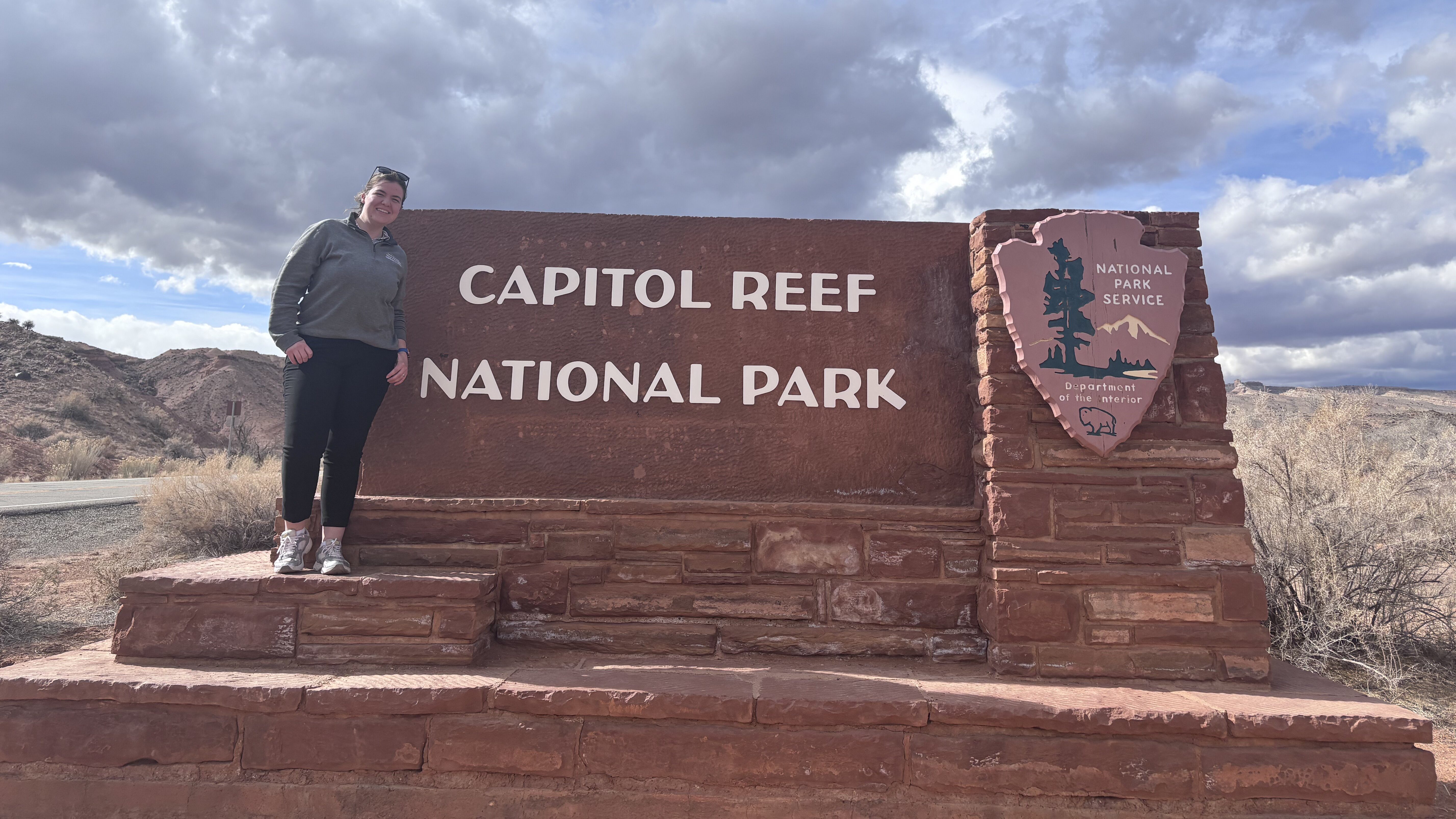
One major perk of visiting in the warmer months? The orchards in Fruita (the town inside the national park.) When fruit is in season, you can actually pick it yourself and eat as much of it as you want while you’re in the park, which is a super fun and unique experience. Plus, the famous pies that you can buy from the historic Gifford Homestead are not available in the off-season months, which can be disappointing if you were looking forward to them.
Winter, on the other hand, is very quiet and peaceful in Capitol Reef. It’s already an underrated park, so it’s almost shockingly empty compared to Zion or Bryce. You won’t deal with entrance lines in the winter EVER, and you’ll have way more space on trails and scenic pullouts. Temperatures are much cooler, making longer hikes more comfortable, though if you’re not wearing warm enough clothes or a good coat, you can easily get too cold.
Some higher elevation areas or dirt roads can become muddy or impassable after storms, as well, so if there’s too much snow it could spoil this part of your trip.
Personally, I think Capitol Reef might actually be better in the summer, with the full orchard experience and maximum access to remote areas. It’s never really packed either, so the business of summer that you get at the other parks isn’t a problem here!
Finally, let’s talk about our last Utah National Park:
Is Canyonlands National Park Better in the Summer or Winter?
This one really depends on what kind of experience you’re after. Canyonlands is huge and divided into districts, but most visitors stick to the Island in the Sky area. In the summer, the views are absolutely unreal. Clear skies, endless visibility, and those deep canyon layers glowing at sunrise and sunset.
But summer here can be brutally hot. There’s very little shade, and many hikes are fully exposed. Midday exploring can be exhausting, and you’ll go through way more water than you expect.
Winter is much quieter, and the cooler temperatures make hiking way more enjoyable (at least in my opinion, they do). Standing at a viewpoint without sweating through your clothes is a win, but sometimes the sky is too cloudy to let you see any good sunrises or sunsets.
If there’s snow, it adds a dramatic contrast to the red rock, though not as dramatically as Bryce. Still, even a light dusting can make the landscape feel like you’re on another planet.
Another tradeoff is accessibility. Some roads, especially in more remote districts like The Needles, can be affected by winter weather. You’ll want to check conditions before heading there, and make sure you’re prepared with the proper equipment to keep you safe in the snow.
While the lack of shade in the summer makes it harder to fully enjoy the park unless you’re there at sunrise and sunset, I actually prefer Canyonlands National Park in the summer. If you can handle the heat and want maximum road access, summer gives you more flexibility.
How to Prepare to Visit the Utah National Parks
So, now you know which parks are better in which seasons. I have a full blog post about my experience visiting all 5 Utah National Parks in 5 days, and if you’re planning on doing that, I actually reccomend visiting them in the off-season because you’ll be able to see more with less time, thanks to the lack of crowds.
Hopefully this article helped you figure out a good plan! Check out my other articles for more tips and tricks on Utah travel, and follow my instagram for good measure. See you next time!
This article contains affiliate links. If items are purchased through these links, I get a small commission at no extra cost to you.

 McKenna Uncharted